When a commercial heating system fails, it rarely happens at a convenient time.
It’s usually late in the day, in the middle of winter, with a building full of people who can’t simply be sent home. Whether it’s a care facility, school, residential block or commercial site, the issue isn’t just the boiler, it’s everything that depends on it.
At that point, you’re not looking for theory. You’re looking for a way to restore heat, fast, and without making the situation worse.
That’s where emergency heating engineers come in, although in reality, the job is less about “repair” and more about keeping your site operational while the real problem gets solved.
This is where most assumptions go wrong.
A typical heating engineer is there to fix the system.
An emergency heating response, at least in a commercial context, is often about something different: keeping the building running while the system is repaired or replaced properly.
That usually means deploying a temporary boiler solution:
It’s not a workaround. It’s a controlled, engineered stopgap that prevents a bad situation from escalating.
Speed matters, but so does realism.
We aim to respond to emergency callouts within 2–4 hours, depending on location and requirements. In many cases, we can mobilise same-day or next-day solutions, including evenings and weekends.
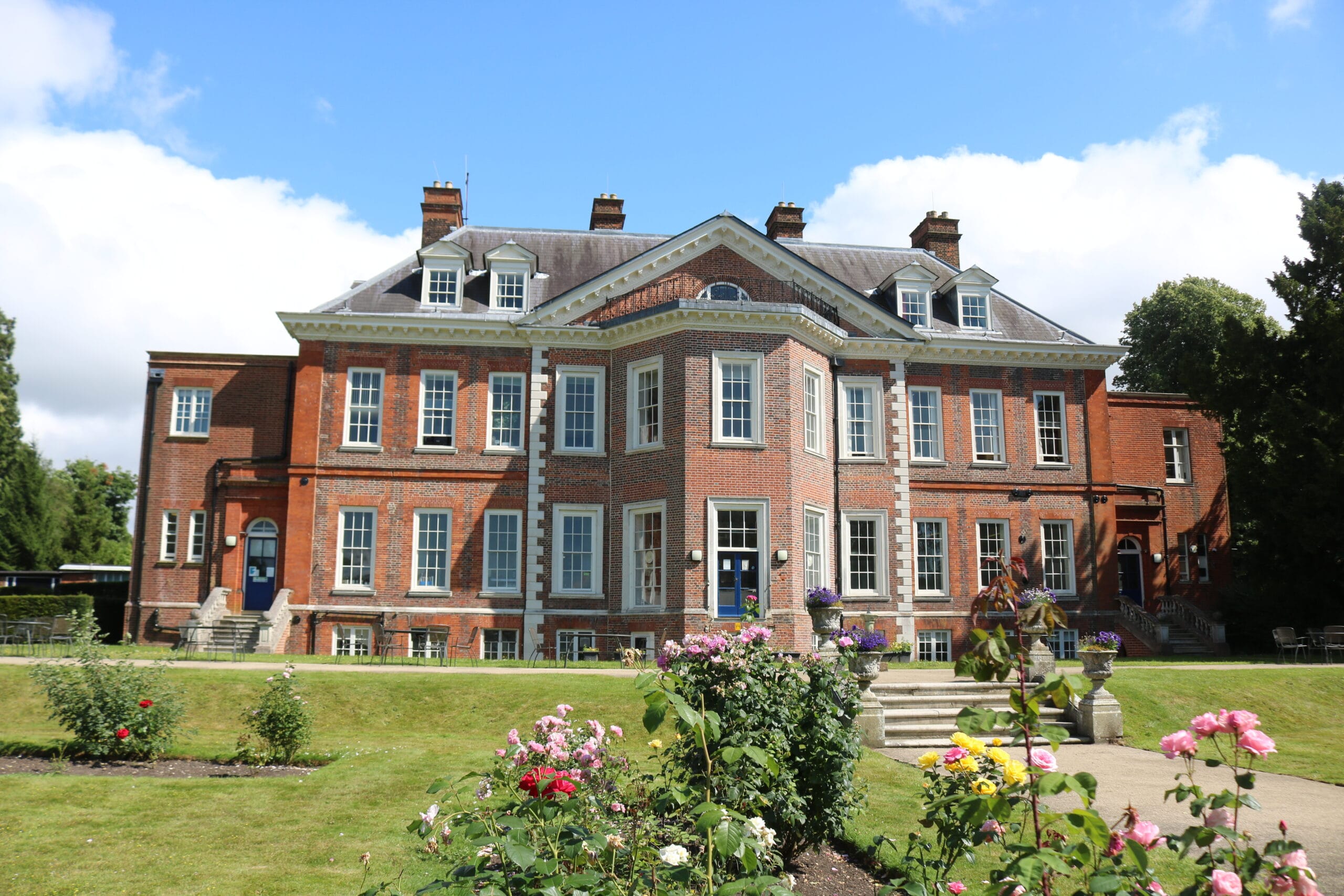
A good example is The Children’s Trust in Tadworth:
Accreditations aren’t just badges, they’re a value for how seriously a company takes risk.
In emergency scenarios, that matters.
Look for:
In practical terms, it means fewer delays, fewer compliance questions, and fewer surprises when work needs to start quickly.
How quickly can TCS get emergency heating engineers on site?
What does an emergency temporary boiler installation involve?
Can you install temporary heating in occupied buildings?
Do your engineers have enhanced DBS checks?
What size temporary boilers do you have available?
How long can we hire a temporary boiler for?
What areas do you cover for emergency callouts?